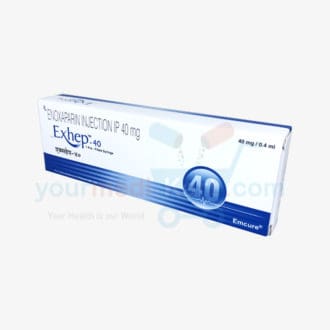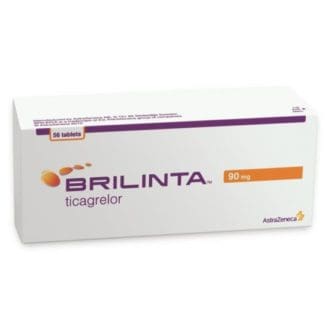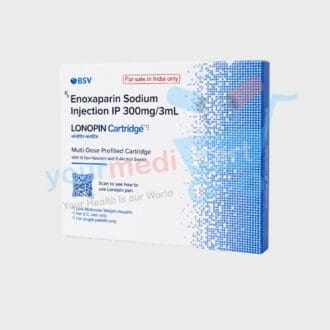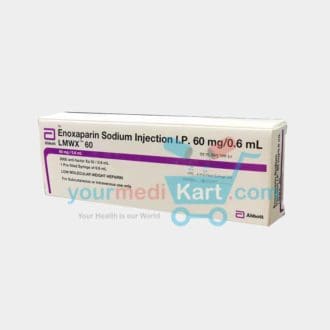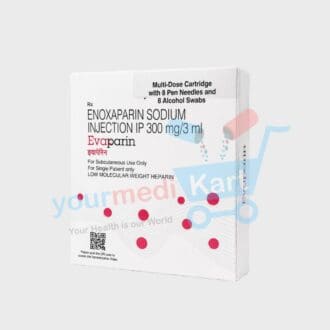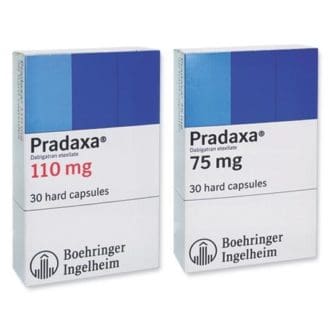
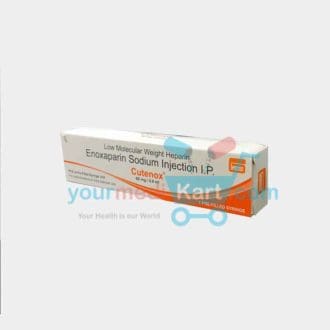
Anticoagulants, also commonly known as blood thinners, are Medications that prevent the formation of blood clots or inhibit the Growth of existing blood clots within the circulatory system. Anticoagulant Medications, including Evaparin 40 mg, Cutenox 40 mg, lmwh 40 mg Injection LMWH 40 mg Injection, and Equilis Tab for blood clot Prevention.
-
-36%
-
-46%

-
-50%
-
-50%
-
-40%
-
-29%
-
-20%
-
-20%
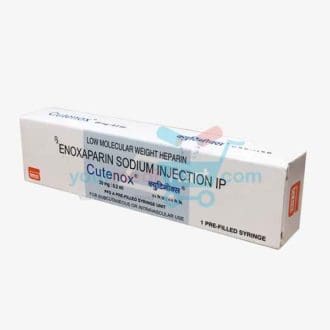
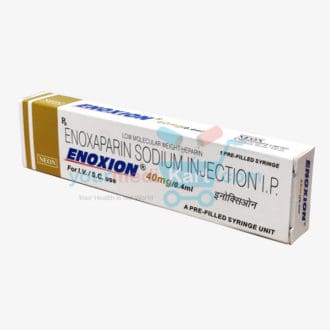
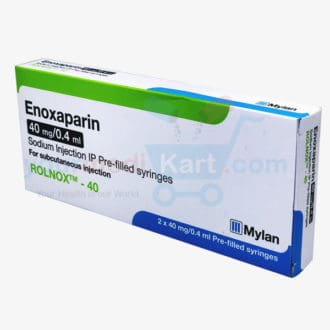
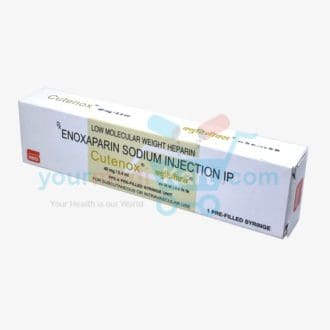
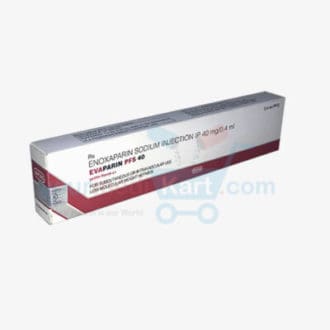
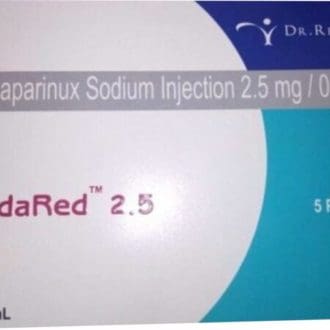
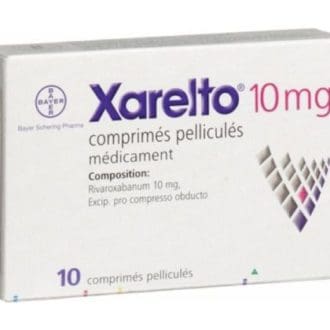
Anticoagulants, commonly known as blood thinners, are medicines used to reduce the formation of harmful blood clots in the body. They are prescribed for the prevention and treatment of conditions associated with abnormal blood clotting, including deep vein thrombosis (DVT), pulmonary embolism (PE), atrial fibrillation, and certain cardiovascular conditions.
Anticoagulant medicines are available in different formulations, including tablets, capsules, and injections. The appropriate medicine, strength, and duration of treatment depend on the patient’s medical condition and the prescribing doctor’s recommendations.
Types of Anticoagulant Medicines
Anticoagulants can broadly be classified into oral and injectable medicines.
Injectable Anticoagulants
Injectable anticoagulants include low-molecular-weight heparins (LMWHs) and other heparin-based medicines. Enoxaparin is one commonly used LMWH and may be prescribed for the prevention or treatment of blood clots in appropriate patients.
Products in this category may include different strengths and formulations of medicines such as Cutenox, Evaparin, Lonopin, Exhep, and other LMWH products. Always verify the exact strength and active ingredient before purchasing or using an anticoagulant.
Oral Anticoagulants
Oral anticoagulants are available as tablets or capsules and include medicines from different therapeutic groups. Depending on the clinical indication, doctors may prescribe medicines such as dabigatran, rivaroxaban, or other anticoagulant agents.
The choice of anticoagulant depends on factors such as the medical condition, kidney function, other medicines, bleeding risk, and the patient’s overall health.
What Are Anticoagulants Used For?
Anticoagulants may be prescribed for conditions where preventing or treating abnormal blood clots is medically necessary, including:
- Deep vein thrombosis (DVT)
- Pulmonary embolism (PE)
- Prevention of certain blood clots after surgery
- Atrial fibrillation in appropriate patients
- Certain cardiovascular conditions
- Other clotting-related conditions as determined by a physician
Anticoagulants do not simply “thin” the blood. They interfere with specific parts of the body’s blood-clotting process, helping reduce the formation or growth of harmful clots.
-
-36%
-
-46%
-
-50%
-
-50%
-
-40%
-
-29%
-
-20%
-
-20%
-
-46%
-
-20%
-
-10%
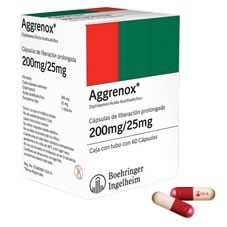
Aggrenox 200/25Mg
Original price was: ₹ 2,847.00.₹ 2,565.00Current price is: ₹ 2,565.00. -
-20%
-
-62%
Lonopin 300 Mg Injection
Original price was: ₹ 3,900.00.₹ 1,499.00Current price is: ₹ 1,499.00. -
-54%
-
Hot-56%
-
-10%